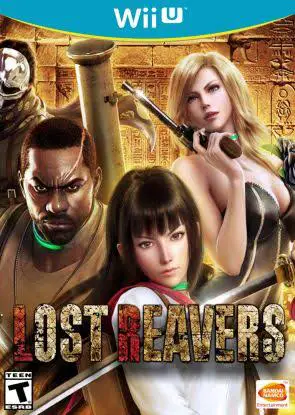
Lost Reavers
Team up in a high-stakes, online cooperative treasure hun...

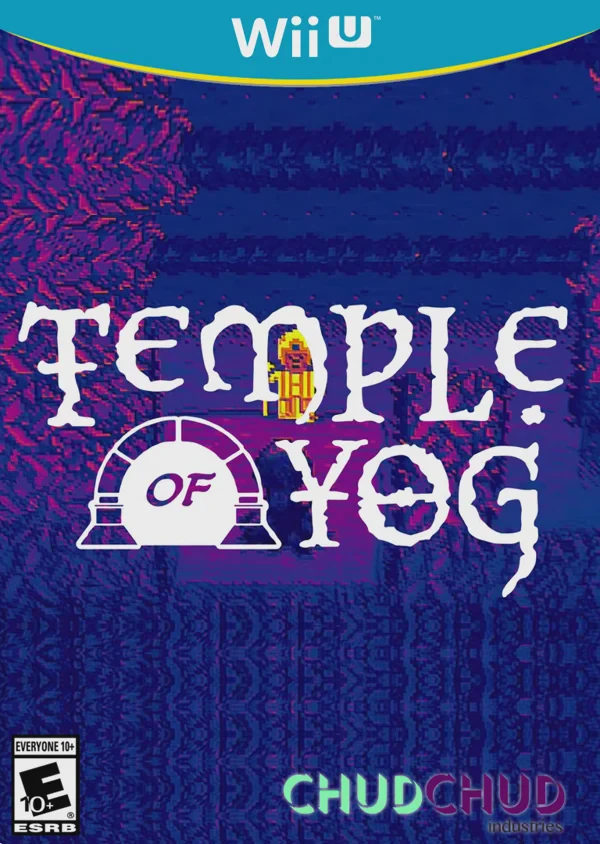
Temple of Yog is an indie action-roguelike RPG developed and published by CHUDCHUD Studio exclusively for the Wii U eShop. Drawing inspiration from classic arcade dual-stick shooters, retro action-RPGs, and modern roguelikes, the title centers around sacrificial exploration across two mirrored realms.
The core gameplay loop involves sending a succession of sacrificed guild heroes into the labyrinthine Temple of Yog. The game utilizes the Wii U's dual displays to render two parallel dimensions simultaneously: the Light World is displayed on the main TV screen, while the Shadow World is displayed on the Wii U GamePad screen. Players must look back and forth between screens, dynamically warp between dimensions to bypass obstacles, flank shielded enemies, and locate secret passages.
As tributes inevitably perish due to permadeath mechanics, their accumulated soul gems and experience are passed back to the village hub. Players can reinvest these resources into upgrading village structures, expanding character class abilities, unlocking higher tier guilds, and enhancing future generations of sacrificial heroes.
Feature | Details |
Title | Temple of Yog |
Platform | Nintendo Wii U (eShop Exclusive) |
Developer | CHUDCHUD Studio |
Publisher | CHUDCHUD Studio |
Genre | Action RPG / Roguelike / Dungeon Crawler |
Release Date | December 2015 (NA) / January 2016 (EU) |
Game Modes | Single-player |
Input Support | Wii U GamePad |
Download Size | ~180 MB |
Dual-Screen Parallel Dimension Gameplay: Simultaneously view the Light Realm on the TV display and the Shadow Realm on the GamePad screen, warping between realms in real time.
Four Unique Character Guilds: Play across distinct character classes—Cleric, Rogue, Mage, and Warrior—each featuring unique attack ranges, special abilities, and stat growth trees.
Permadeath & Hub Progression: Sacrificed heroes permanently die upon defeat, but earned gems are returned to upgrade your village hub and empower future tributes.
Procedurally Generated Labyrinths: Explore randomized dungeon floor layouts filled with traps, shifting environmental hazards, and multidimensional boss encounters.
Retro Pixel Art Style: Enjoy a classic pixel art visual design paired with atmospheric synth soundscapes tailored to eerie dungeon exploration.
A: Yes, the Wii U GamePad is mandatory because the core gameplay mechanic requires viewing the Shadow Realm on the GamePad screen while simultaneously monitoring the Light Realm on the TV.
A: No, Temple of Yog does not support traditional Off-TV Play because the game relies on displaying two distinct dimensions across both screens simultaneously during active gameplay.
A: Pressing the dimension warp button seamlessly shifts your active character between the Light World shown on the TV and the Shadow World shown on the GamePad screen, allowing you to bypass dead ends and overcome dimensional phase barriers.
A: The game features four core playable character classes—Cleric, Rogue, Mage, and Warrior—which are unlocked progressively as you build up your village hub.
Click the links below to go to the cloud drive download page
⚠️ Download Tips: